FrontStreet Coffee found the following content related to "one person" for you
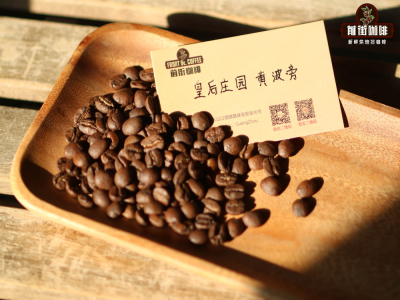
What is specialty coffee? Specialty coffee as defined by the Specialty Coffee Association of America (SCAA): In short, it is coffee obtained through good green beans, good roasting, and good extraction processes. It is specialty coffee. The so-called "SOE" is actually "Single Origin Esp"
Read more →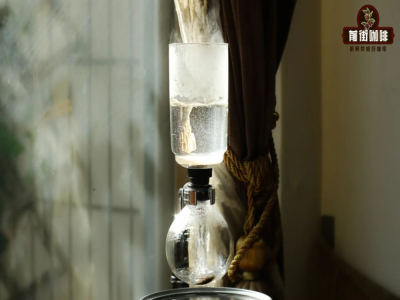
From the current point of view, the siphon pot is a very modern coffee appliance. At present, many coffee shops no longer make siphon coffee or use it as a specialty or non-main product. Of course, as a fan of siphon coffee, if it’s not available outside, just make it. In this article of Front Street, I will share Siphon Coffee in as simple a language as possible. -rainbow
Read more →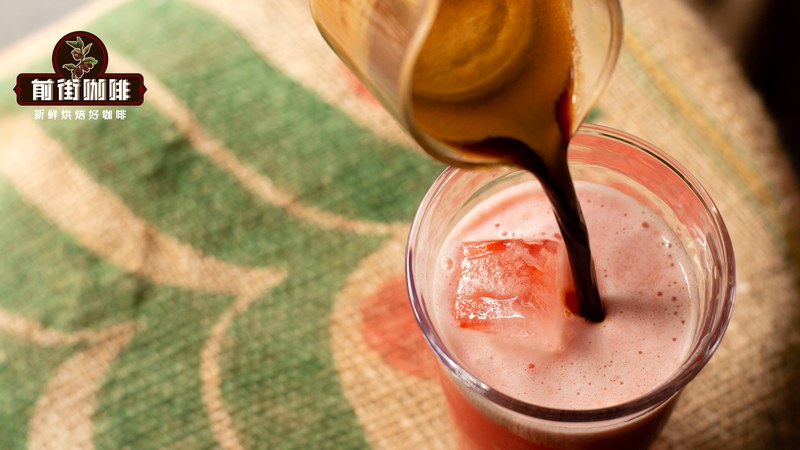
Whether coffee tastes good or not depends largely on the moment it appears. When you are in a hurry to go out, the stable and full blended beans make it easier to get into the mood quickly with a cup of espresso or milk coffee; when you have time to sit down and feel the aroma, SOE can tell the personality of a single production area more completely. The two are not superior in flavor, but suitable.
Read more →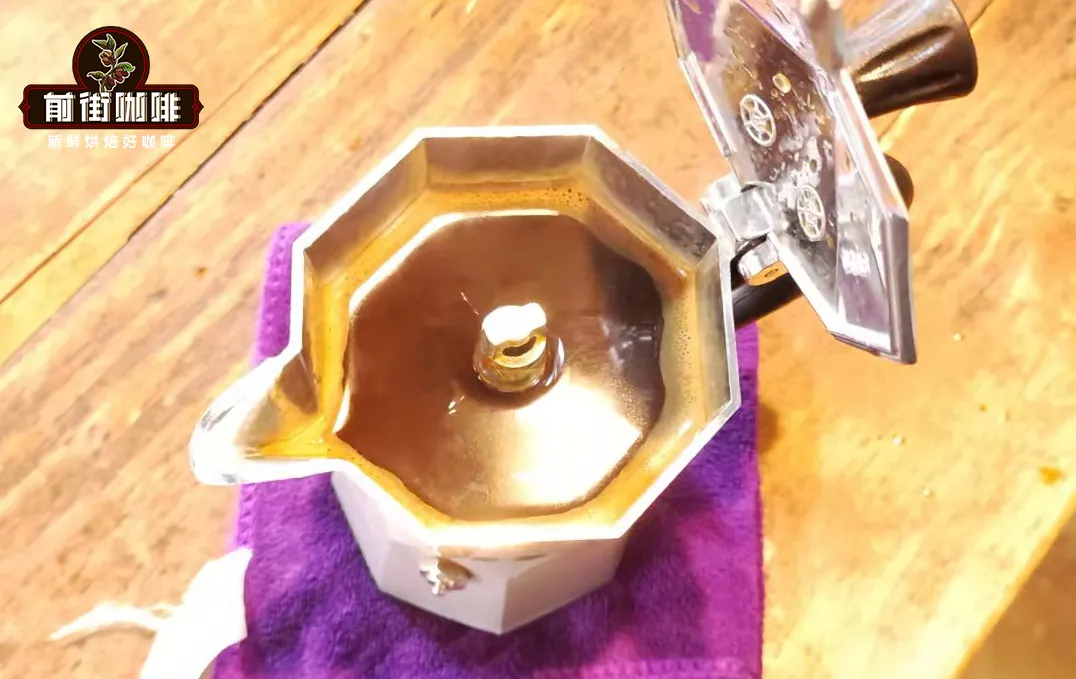
There are many types of coffee. Some people like to drink instant coffee, some people like to drink hand-brewed coffee, and some like to drink cold brew coffee. Coffee made by different methods has its own characteristics. Some have a distinct taste and obvious flavor, and some are easy to brew. You can choose according to your own preferences. hand
Read more →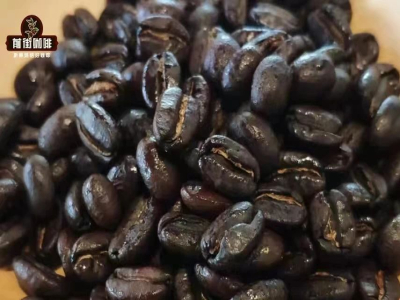
Front Street Coffee – Are dark roasted coffee beans necessarily burnt and bitter? What does burnt black coffee beans taste like? The overall flavor of a normally roasted coffee bean should be pleasant and should not have objectionable bad taste, such as burnt taste or astringency that lingers on the tongue for a long time. Sometimes, transitional development
Read more →
The charm of Yirgacheffe coffee beans is that you can often find floral, citrus, berry or tea flavors in a cup. It is not only suitable for quiet drinking, but also can be used in daily moments such as breakfast, office, iced coffee and sharing with friends. If you want to buy beans with a suitable price/performance ratio, you can first think about when you will drink this cup of coffee, and then choose
Read more →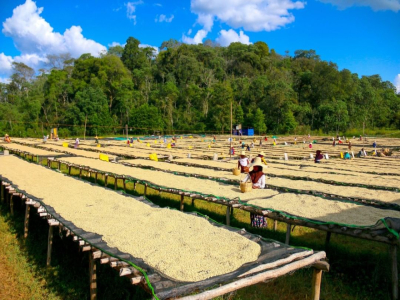
Everyone likes to drink coffee. Some people like to drink it hot. After brewing a cup, they drink it all at once. Some people drink half of it and let the remaining half cool before drinking it. Some people drink it from hot to cold. Which way is better to drink? It depends on personal taste. Specifically, coffee is also a kind of drink, hot
Read more →
Some friends who don't like sourness and are new to single-origin coffee say to the barista when they arrive at the cafe: "I want a cup of hand-brewed coffee that is not sour." At this time, the barista will usually recommend Mandheling coffee beans. After brewing it and taking the first sip, the answer I got was that it was bitter, and some people even wanted to add sugar.
Read more →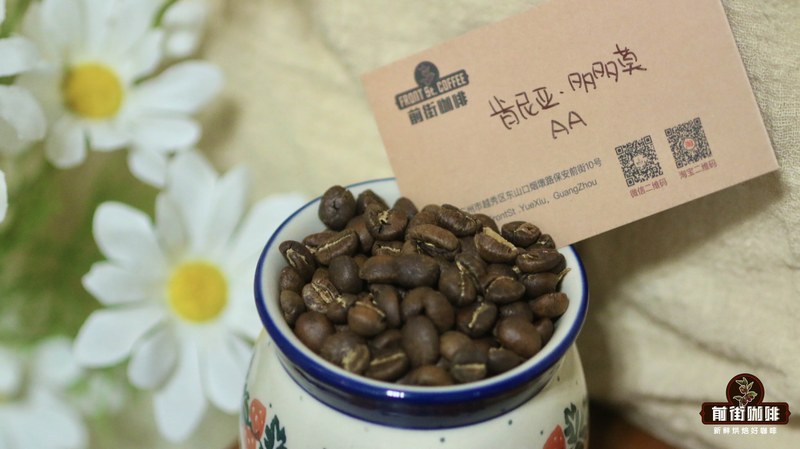
Yirgacheffe is made into SOE, which usually brings citrus, floral, berry and tea flavors into the concentrated cup, presenting a lighter temperament than traditional dark roasted Italian. The SOE here refers to single-origin concentration. The focus is not on pursuing a strong bitter taste, but on allowing the personality of the production area to leave a clear imprint in a short extraction. When choosing beans, think first
Read more →
Yesterday, when a friend was buying beans at a Front Street store, he discussed the feasibility of re-brewing coffee with Front Street. The reason was that he had recently seen videos from some bloggers on the Internet. The content of the video was that coffee powder that had been brewed once would still taste good after the second brewing. So he asked Front Street if coffee could really be re-brewed.
Read more →
As far as I know, many new coffee lovers have a problem: "Which beans should I buy for hand-brewed coffee?" "Which beans are suitable for me?" 』『Which coffee beans are suitable for hand brewing? 』For experienced people, this is not difficult at all. But for those new to coffee, it’s a bit complicated! in the cafe
Read more →
Let’s briefly talk about the origin of the siphon pot. The siphon pot originated in Europe, 70 years earlier than hand brewing. Between 1830 and 1840, Loeff in Berlin, Germany, first invented and patented the siphon extraction method with double upper and lower pots made of glass. Later, through France, the United Kingdom and Germany
Read more →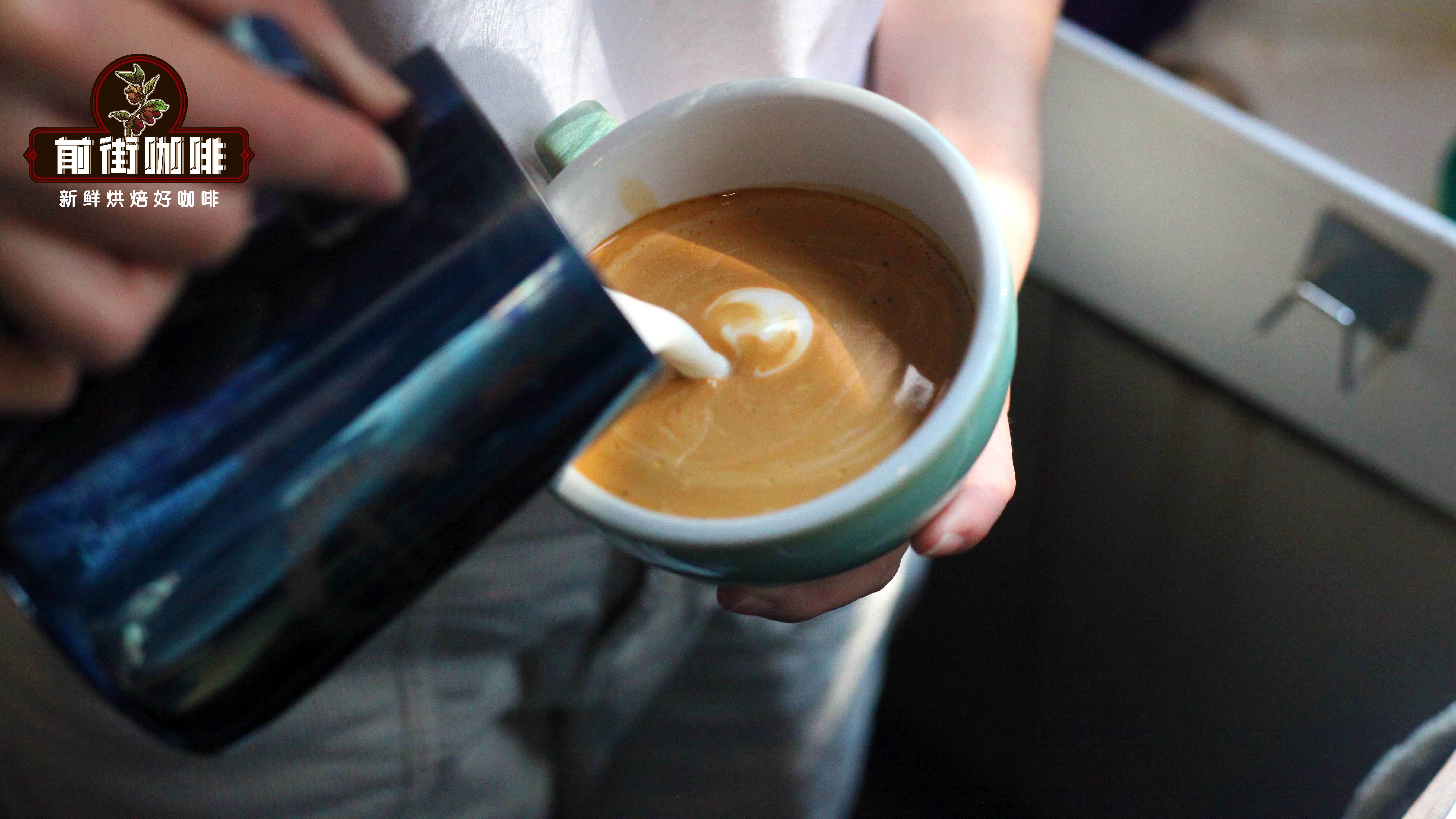
Modern technology is becoming more and more advanced, and coffee has also entered the field of automation. Automatic milk frothing and automatic latte art have been frequently searched in recent years. So the question becomes, can a ritualistic coffee type like hand-brewed coffee be replaced by a machine? Adhering to the spirit of inquiry, I went to borrow it next door in the middle of the night on Front Street Street.
Read more →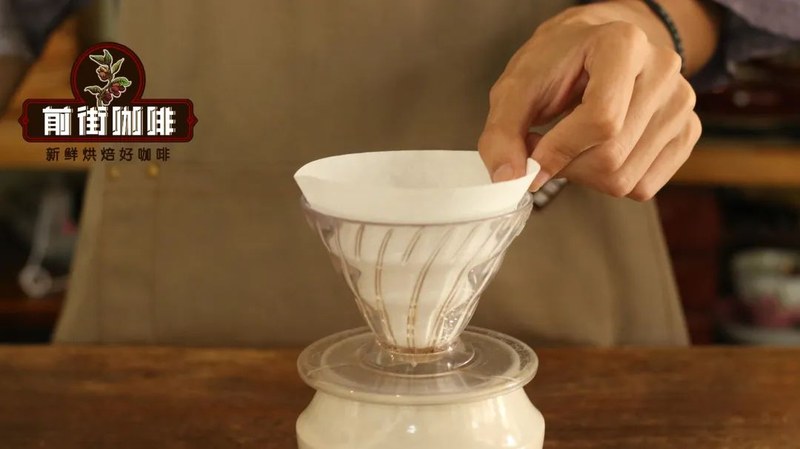
Italian coffee beans are not just judged by how dark they are roasted, nor can they be judged independently of how you drink them every day. If you are in a hurry in the morning, the concentration needs to bring out the sweetness and thickness in a short time; if you are making an iced Americano in the afternoon, you hope that the aroma will still be clear at low temperatures; if you often drink latte, you must also consider whether the coffee liquid has enough presence after adding milk.
Read more →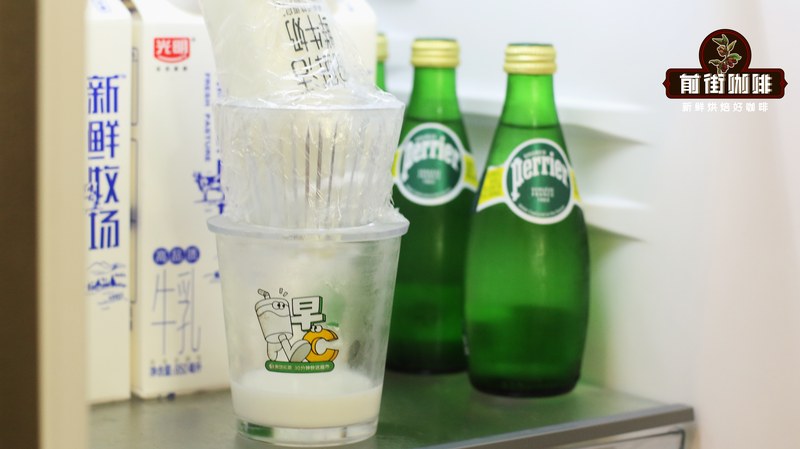
The coffee liquid produced by the Moka pot has a high concentration and a concentrated aroma. Only after adding water can it approach the light state of everyday American coffee. Therefore, when choosing beans, you should not only look at the name of the place of origin, but also imagine how they will look after being diluted in the cup: beans that are originally soft will become smoother, and beans with a bright flavor will retain a clear aroma. Let’s start with the most common drink every day
Read more →
If you want to learn how to make coffee, you must first learn to drink coffee. Of course, "learning to drink coffee" here does not mean being able to describe a beautiful flavor, but more about being able to judge the quality of a cup of coffee, that is, whether it tastes good or not. Subjective and Objective Whether coffee tastes good or not depends largely on personal preference.
Read more →
Modern technology is becoming more and more advanced, and coffee has also entered the field of automation. Automatic milk frothing and automatic latte art have been frequently searched in recent years. So the question becomes, can a ritualistic coffee type like hand-brewed coffee be replaced by a machine? Adhering to the spirit of inquiry, I went to borrow it next door in the middle of the night on Front Street Street.
Read more →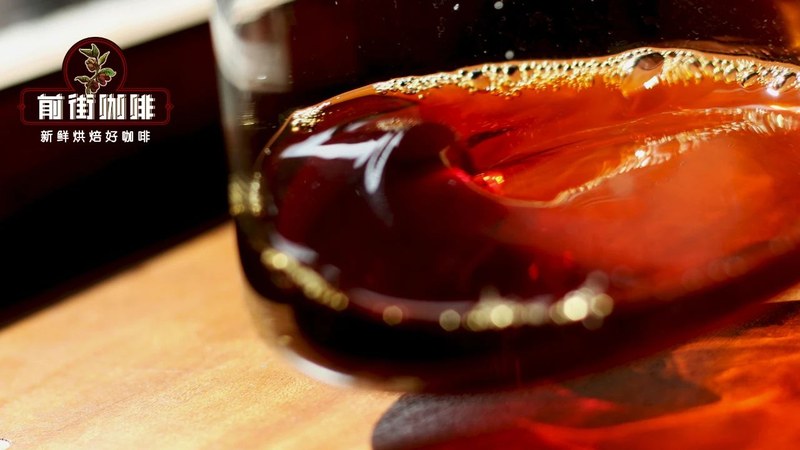
The concentration of coffee brewed by a moka pot is between hand-brewed and concentrated. The aroma is concentrated and the taste is heavier. It is suitable for mixing with bread in the morning, slow drinking with ice in the afternoon, and is also suitable for adding milk to make home milk coffee. When choosing beans, you can start from how you want to drink them that day, and then look at whether the sweetness and sourness, the mellowness, and the roasting style are consistent.
Read more →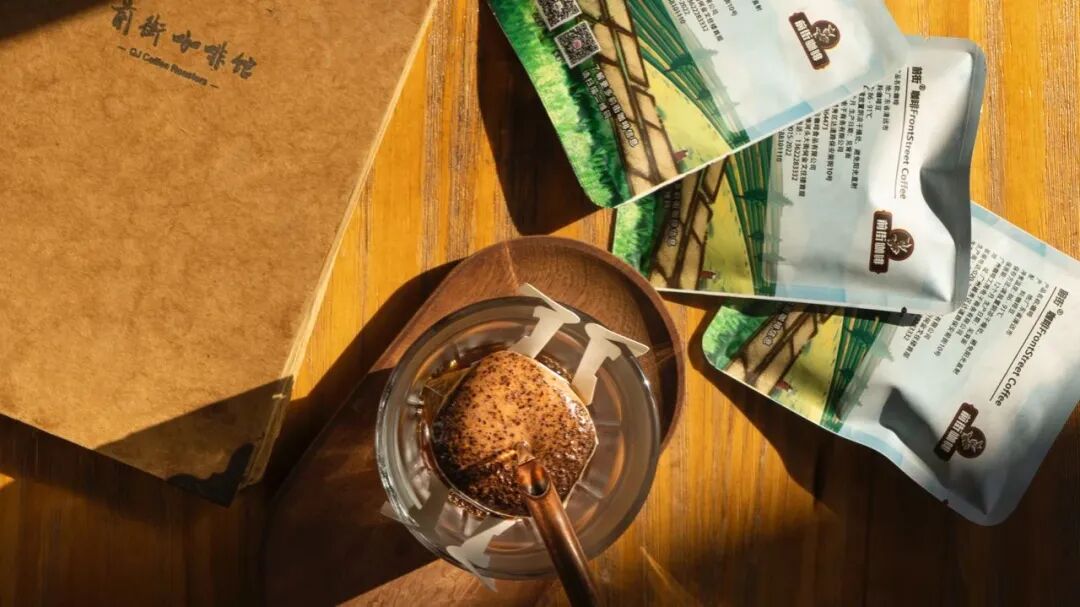
Because it is pre-made, the aroma of hanging coffee is usually less than half of that of freshly ground coffee. Therefore, it is often rejected by those "picky" coffee lovers who think that besides being convenient, hanging coffee is "useless". It doesn't produce much flavor anyway, so just brew it casually.
Read more →
Compared with other single-origin coffees, there are many different ways to make (brew) hand-brewed coffee. For example: one-shot flow, three-stage brewing, volcano brewing, variable temperature brewing, stirring, etc. Today, let us get to know some of the common brewing methods for hand-brewed coffee~ 1. One-knife flow, one-knife flow, one-pitch style or
Read more →Be the first to know about new bean releases, brewing tips, promotions and cupping notes

Scan to Follow Front Street Coffee on WeChat
